
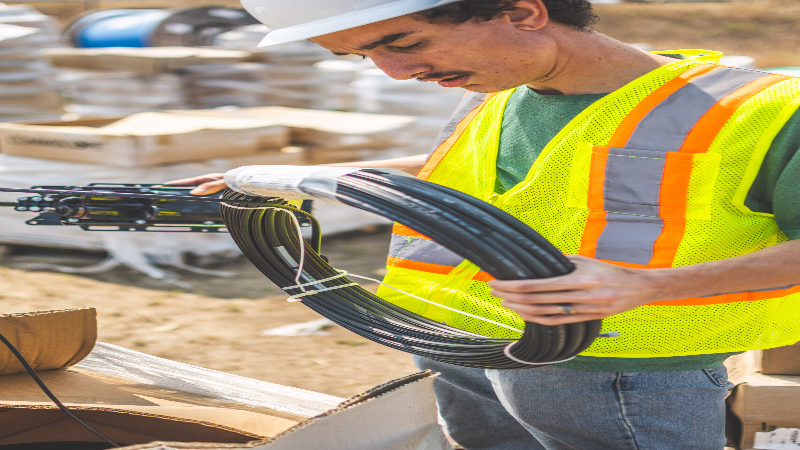
In today’s hyper-connected world, the demand for fast and dependable data transmission spans every corner of the United States. Whether it’s supporting cloud computing, streaming high-definition video, or enabling critical business communications, the backbone infrastructure that carries this digital information is more vital than ever. For those seeking to understand how large-scale fiber optic systems improve connectivity, a Long Haul Network serves as a powerful solution for ensuring data travels reliably across vast distances with minimal interruption.
What is a Long Haul Network?
A Long Haul Network refers to an extensive system of fiber optic cables and supporting technologies designed to transport high volumes of data across hundreds or even thousands of miles. Unlike local or metro networks, these long-distance systems bridge the gaps between major cities, data centers, and regional hubs. By leveraging advanced optical technologies, they minimize latency and signal loss, providing the robust foundation necessary for nationwide connectivity.
Key Features That Ensure Reliable Data Transmission
Several core features make this type of network indispensable for secure and uninterrupted data flow across the United States:
• High Bandwidth Capacity: Long haul fiber networks are engineered to handle massive amounts of data traffic, supporting everything from internet service providers to enterprise-grade applications.
• Low Latency: By utilizing direct routes and cutting-edge transmission equipment, these networks reduce the time it takes for data to travel from point A to point B, which is crucial for real-time applications like video conferencing and online gaming.
• Redundancy and Resilience: Multiple physical pathways and automated rerouting protocols help prevent outages. If one fiber route is disrupted due to construction or natural events, data can be instantly redirected through alternate paths, maintaining seamless service.
• Advanced Error Correction: Sophisticated error detection and correction technologies ensure that data arrives intact, even over long distances, guarding against packet loss and corruption.
The Role of Fiber Splicing and Infrastructure
A cornerstone of any long-haul system is high-quality fiber splicing, which joins optical fibers with precision to minimize signal degradation. Proper splicing, along with the use of amplifiers and repeaters, allows signals to maintain strength and clarity over thousands of miles. These infrastructure investments are essential for delivering the reliability and speed that businesses and consumers expect.
Nationwide Impact and Applications
The reach of these networks extends far beyond simple internet access. They are critical for:
• Cloud Services: Supporting the movement of large datasets between geographically dispersed servers and users.
• Emergency Services: Ensuring first responders and public safety agencies can communicate without delay.
• Financial Transactions: Powering the split-second communications required for trading and banking.
• Telecommunications: Providing the backbone for both wired and wireless communications across the country.
Looking Ahead: The Future of Data Transmission
As digital demands continue to grow, the importance of a robust long haul infrastructure will only increase. Innovations such as higher-capacity fibers, improved error correction algorithms, and smarter network management tools are already shaping the next generation of reliable, high-speed communication.
In summary, a long haul network forms the essential backbone for reliable data transmission across the United States. By combining advanced fiber optic technology, resilient infrastructure, and intelligent network design, these systems ensure that data can move swiftly and securely from coast to coast—empowering everything from daily communication to the most mission-critical operations. For anyone seeking dependable and high-performance connectivity, investing in or understanding this backbone network remains a key factor in today’s digital landscape.