
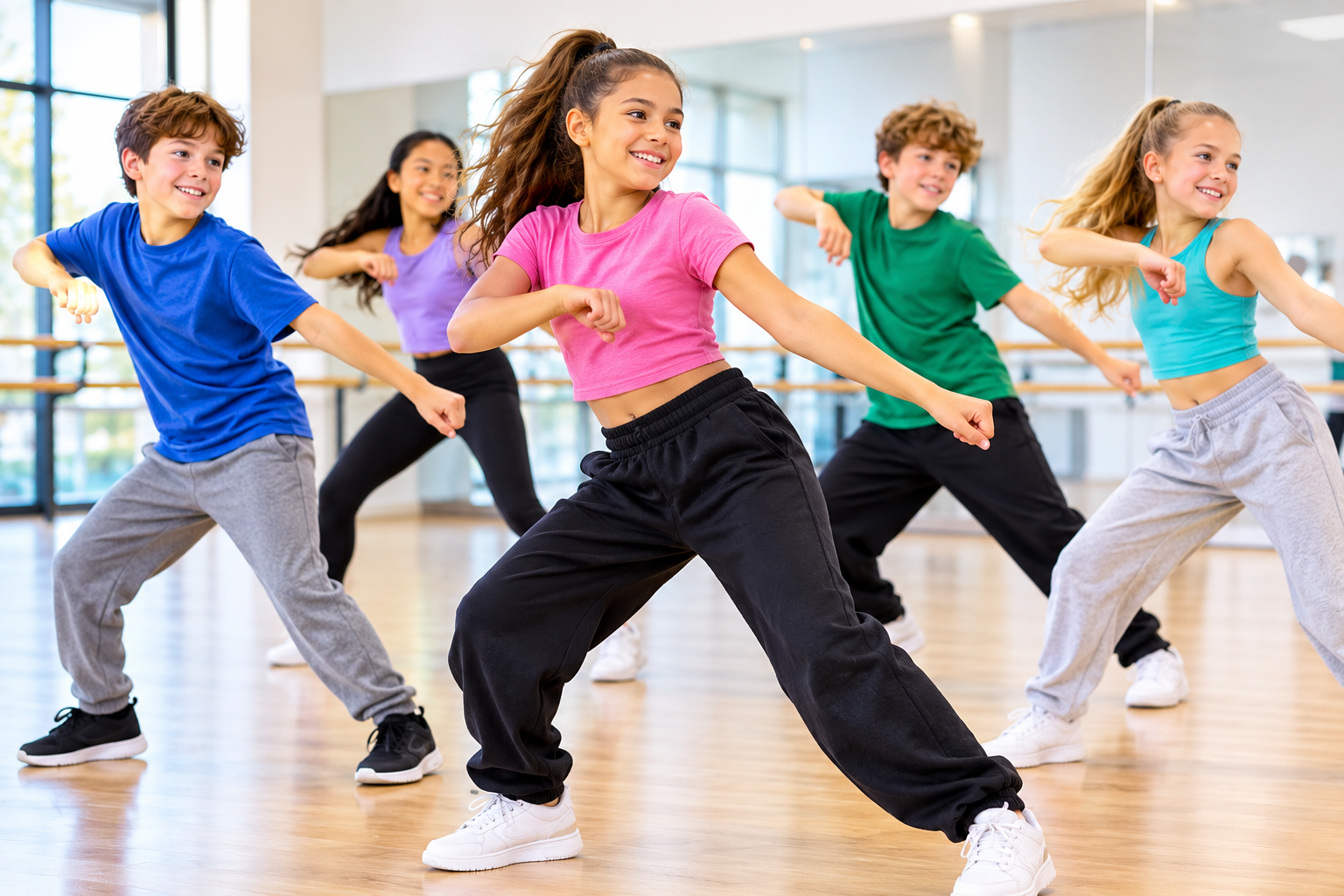
• Recreational dance classes build coordination, discipline, and social skills in a low-pressure group setting.
• Programs typically span styles such as ballet, tap, jazz, and hip hop for multiple age groups.
• Families across Shepherdsville, KY can access structured dance instruction from a studio based in the USA.
Recreational youth dance classes give children a structured way to build physical coordination, confidence, and social connection without the pressure of competitive performance. These classes typically combine age-appropriate technique instruction with creative movement, making them accessible to beginners and more experienced young dancers alike.
Parents searching for Recreational Youth Dance Classes Shepherdsville KY are often looking for a program that balances skill-building with enjoyment, rather than one centered entirely on recital pressure or competition scoring. This distinction matters because recreational tracks tend to emphasize steady skill progression and class participation over rigid performance benchmarks. Many studios structure these programs by age group, allowing younger children to focus on basic motor skills while older students work on more defined technique.
What a Recreational Dance Program Typically Includes
Recreational dance programs are generally organized around specific dance styles, each offering different physical and developmental benefits.
• Ballet: foundational body alignment, posture, and musicality
• Tap: rhythm recognition and footwork coordination
• Jazz: dynamic movement, flexibility, and performance expression
• Hip hop: freestyle coordination, timing, and group choreography
Classes are usually divided by age or skill level, so a four-year-old and a ten-year-old are not working on identical material. According to the President’s Council on Sports, Fitness and Nutrition, children ages 6 to 17 benefit from at least 60 minutes of physical activity daily, and structured movement classes can contribute meaningfully toward that goal.
Developmental and Social Benefits
Beyond physical activity, recreational dance classes support several areas of childhood development that extend past the studio floor.
1. Motor skills — Repetition of steps and sequences strengthens balance, coordination, and spatial awareness.
2. Discipline and focus — Following instructor cues and practicing routines builds attention span and follow-through.
3. Social interaction — Group classes require children to work alongside peers, take turns, and support one another during group numbers.
4. Confidence — Mastering a new step or performing in a low-stakes recital setting can reinforce a sense of accomplishment.
These benefits tend to compound over a dance season, since skills learned in one class often carry forward into the next level of instruction.
Recreational vs. Competitive Dance Tracks
Families new to dance instruction sometimes assume all youth programs are competition-focused. The table below outlines general differences between recreational and competitive tracks.
|
Feature |
Recreational Track |
Competitive Track |
|
Primary goal |
Skill-building and enjoyment |
Performance scoring and rankings |
|
Time commitment |
Typically one class per week |
Multiple rehearsals weekly |
|
Performance setting |
End-of-season recital |
Regional or national competitions |
|
Pressure level |
Lower, participation-focused |
Higher, results-focused |
This comparison is general across the dance industry and may vary by individual studio structure.
Finding a Program That Fits
Selecting a recreational dance class often comes down to matching a child’s age, interests, and schedule with a program’s class structure. Parents in Shepherdsville, KY evaluating options typically look at factors such as class size, instructor experience, and whether the studio offers a trial or observation period before full enrollment. Reviewing a studio’s listed class styles and age divisions ahead of time can help narrow down which program suits a specific child’s needs.
Based in the USA, Dance Designs Dance Complex serves families across Shepherdsville, KY with recreational dance instruction. Additional program details are available through the Dance Designs Dance Complex Google Business Profile.
Frequently Asked Questions
What age can a child start recreational dance classes? Many studios accept students as young as three or four years old in beginner-level creative movement or pre-ballet classes, with more structured technique classes introduced as children get older.
How is recreational dance different from competitive dance? Recreational dance generally emphasizes steady skill development and enjoyment with a single annual recital, while competitive dance involves additional rehearsal time and participation in judged events.
Do children need prior experience to enroll? No prior experience is typically required for recreational classes, as instruction usually starts with foundational movement and technique appropriate to the student’s age group.
How often do recreational dance classes meet? Most recreational programs meet once per week for a set class length, though this can vary depending on the dance style and age division.
Looking Into Local Options
Current class offerings and scheduling details for Dance Designs Dance Complex are available for families reviewing recreational dance programs.