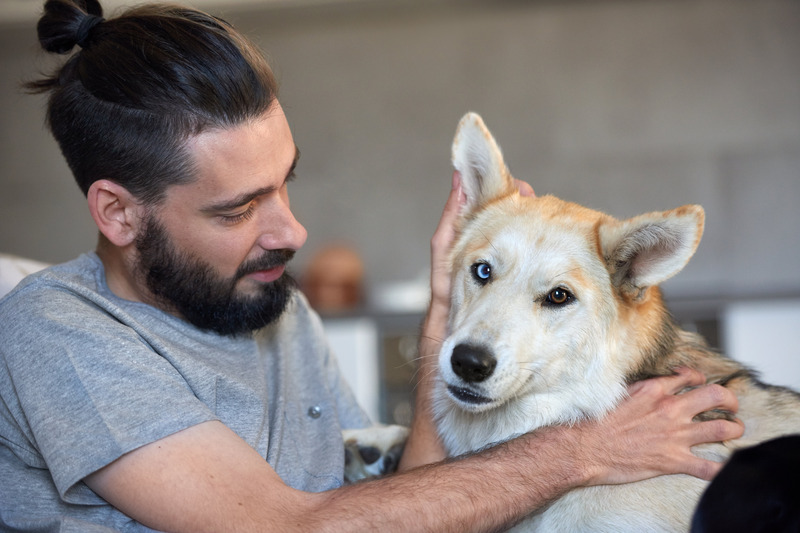
• A trusting relationship with a veterinary Indianapolis, IN professional develops through consistent communication, honest history-sharing, and mutual respect over multiple visits.
• Veterinary-client-patient relationships (VCPRs) are formally defined by the American Veterinary Medical Association and require direct, ongoing contact between a veterinarian and a pet owner.
• Pet owners in Indianapolis, IN can support this relationship by maintaining a primary care veterinarian while understanding when referral or emergency care becomes appropriate.
A trusting relationship with a veterinary professional is built through repeated, honest communication and a shared understanding of a pet’s medical history, not a single visit. This trust shapes how quickly an owner seeks care, how accurately symptoms get reported, and how well treatment plans are followed at home.
Veterinary medicine formally recognizes this dynamic through what is known as the veterinarian-client-patient relationship, or VCPR. According to the AVMA’s ethics principles, a VCPR is established when a veterinarian has assumed responsibility for making medical judgments regarding the health of the patient and the client has agreed to follow the veterinarian’s instructions. That relationship is not automatic. Both the veterinarian and the client must agree to the establishment of a VCPR.
Why the Veterinarian-Client-Patient Relationship Matters
The VCPR is more than a formality; it determines how care decisions are made and communicated. Owners retain significant authority within this structure.
• Clients remain the decision-makers on diagnostic and treatment choices offered by the veterinarian.
• Veterinarians are expected to provide medical records or summaries when a client requests them, as outlined by AVMA’s principles of veterinary medical ethics .
• Either party can end the relationship under specific circumstances, including loss of trust or confidence.
A 2025 AVMA report on industry communication efforts noted that the organization has worked to more clearly describe expectations for the veterinarian-client-patient relationship, including guidance on telehealth and in-person contact standards. The AVMA launched a new communication-skills program that strengthens team culture and enhances collaboration, reflecting a broader industry push toward relationship-centered care rather than one-sided instruction.
Practical Habits That Build Trust Over Time
Trust is cumulative. Small, consistent actions during each visit tend to matter more than any single dramatic gesture.
1. Share a complete and current medical history, including medications, supplements, and prior reactions.
2. Ask direct questions about diagnosis reasoning, not just the recommended treatment.
3. Report outcomes after a treatment plan, even when results are uncertain or disappointing.
4. Keep a consistent primary care provider so records and patterns of health remain traceable.
5. Expect transparency about cost, which research shows is often a source of friction.
Research presented at a recent AVMA economic forum found that a relationship-centered approach that proactively engages the owner in decision-making results in greater client satisfaction, trust, and adherence to treatment recommendations compared with a more one-directional communication style. Cost transparency is a specific area where this applies, since cost continues to be the area of lowest client satisfaction but represents an opportunity to improve communication and transparency.
Primary Care Versus Emergency and Specialty Referral
Pet owners in Indianapolis, IN generally interact with two distinct types of practices, and understanding the difference supports a clearer relationship with each one.
|
Care Type |
Typical Role |
When to Use |
|
Primary care veterinarian |
Ongoing wellness, vaccinations, routine follow-up |
Scheduled checkups, preventive care, chronic condition management |
|
Emergency and specialty referral |
Urgent, critical, or advanced diagnostic needs |
After-hours emergencies, trauma, conditions requiring CT, ultrasound, or ICU-level care |
|
Telehealth consultation |
Maintaining contact between hands-on visits |
Follow-up questions when a VCPR is already established |
Emergency and specialty hospitals generally work in coordination with a pet’s regular veterinarian rather than replacing that relationship. One Indianapolis-based facility explains that it works closely with area veterinarians and is here to assist their clients and patients on an urgent, emergency, and specialty basis, referring owners back to their regular veterinarian for routine follow-ups, medication refills, or preventive care. Understanding this division of roles helps owners know which provider to contact and when.
Business Info
Visit Website South is an AAHA-accredited animal hospital that operates on a 24/7 emergency and specialty basis for dogs and cats, offering services such as emergency and critical care, emergency surgery, digital X-ray, ultrasound, CT scanning, in-house laboratory testing, and rehabilitation with laser therapy. Based in USA, the practice serves pet owners and referring veterinarians across Indianapolis, IN and surrounding communities rather than maintaining a physical presence as a routine primary care provider in that service area. Additional details about its South location and offerings are documented on its profile.
Frequently Asked Questions
What is a veterinarian-client-patient relationship (VCPR)? A VCPR is a formal arrangement recognized by the AVMA in which a veterinarian takes responsibility for medical judgments about a pet’s health and the client agrees to follow the resulting instructions, typically established through an in-person exam or ongoing contact.
Can a trusting relationship be maintained without an in-person visit every time? According to guidance cited by veterinary ethics resources, it may be possible to maintain an established relationship through phone, email, or online consultations between medically necessary, hands-on visits, depending on the veterinarian’s professional judgment.
Why does cost transparency affect trust in veterinary care? Surveys referenced by AVMA researchers found that cost remains the area of lowest client satisfaction, making clear, upfront communication about pricing a meaningful factor in sustaining trust.
Should emergency or specialty visits replace a primary care veterinarian? No. Emergency and specialty providers typically coordinate with a pet’s existing veterinarian and refer routine or follow-up care back to that primary provider to preserve the established relationship.
Finding More Information
Published details for Visit Website cover the local service area and hours of operation.
Maintaining a dependable relationship with a veterinary professional depends on consistent follow-through, honest reporting, and clear communication about both medical decisions and cost, habits supported by current guidance from veterinary industry organizations.