
• Core documents to confirm with an attorney include a will, trust, power of attorney, and health care directive.
• Clarify fees, document scope, and update procedures before signing anything.
• Florida residents should ask how Medicaid and long-term care planning fit into a broader estate plan.
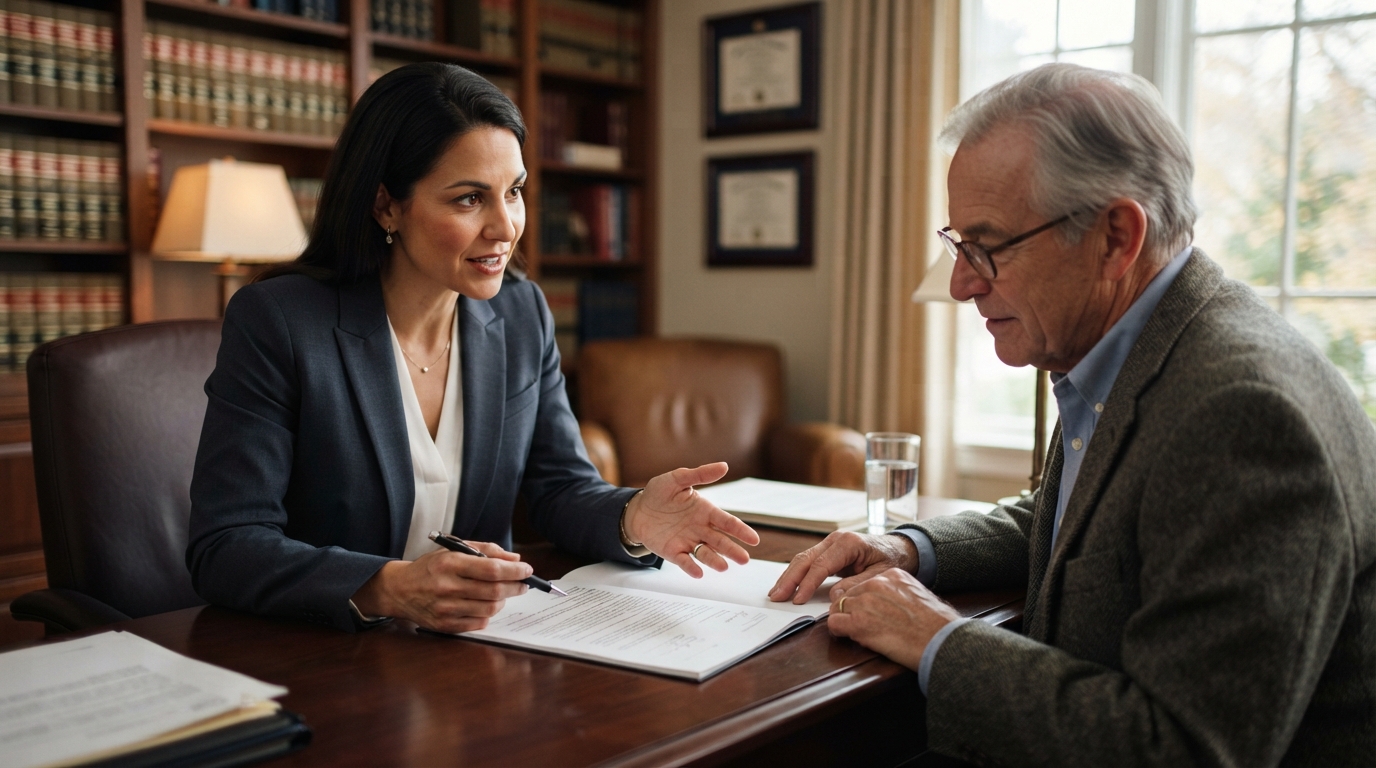
Before signing any estate planning documents, ask an attorney about document scope, update procedures, fees, and how the plan addresses incapacity and long-term care needs. These questions help confirm the plan matches individual goals rather than a generic template.
Choosing an Estate Planning Attorney involves more than comparing price quotes. A qualified attorney should explain how each document functions, what happens if circumstances change, and how the plan addresses Florida-specific concerns such as homestead property and Medicaid eligibility. Elite Estate Planning is one firm serving the area that outlines these services publicly, though the questions below apply broadly to anyone evaluating legal counsel for this purpose.
What Documents Does the Plan Actually Include
A complete estate plan typically covers more than a single will. According to the American Bar Association, core estate planning documents include a Last Will and Testament, Durable Power of Attorney, Health Care Proxy and Living Will, and, in certain cases, a Revocable Trust. Before signing, ask which of these documents are included and why each one applies to a specific situation.
• Does the plan include a will, trust, or both.
• Are powers of attorney for finances and health care part of the package.
• Is a living will or advance healthcare directive included.
• Does the plan name a guardian for minor children if applicable.
Published guidance also notes that estate planning is not a “set it and forget it” process, which means the attorney should explain how often documents need review.
How Fees and Scope Are Structured
Flat fees, hourly billing, and package pricing all appear in estate planning practice. Ask for a written explanation of what is covered under the quoted fee and what would trigger additional charges, such as drafting a trust after a will is already signed.
|
Question Area |
Why It Matters |
|
Fee structure |
Determines whether costs are flat, hourly, or tiered by document |
|
Document updates |
Clarifies if revisions are included or billed separately |
|
Consultation scope |
Confirms whether intake covers assets, debts, and beneficiaries |
|
Long-term care planning |
Identifies if Medicaid or elder law issues are addressed |
A thorough intake process reduces surprises later. An effective estate plan begins with a thorough client intake process, and clients are encouraged to bring any existing estate plans, business agreements, or beneficiary designations to ensure a coordinated approach.
Questions Specific to Incapacity and Long-Term Care
Florida residents in Palm Beach face particular considerations around aging in place, assisted living costs, and Medicaid qualification. Ask how the plan addresses incapacity before death, not only asset distribution afterward.
1. What happens if incapacity occurs before a will takes effect.
2. Does the plan include a durable power of attorney for financial decisions.
3. How does the attorney approach Medicaid planning if long-term care becomes necessary.
4. Are beneficiary designations on retirement accounts and insurance reviewed separately from the will.
Revocable trusts are a common tool but have limits worth asking about directly. Contrary to popular belief, revocable trusts do not reduce estate taxes or protect the grantor’s assets from creditors. An attorney should clarify this distinction rather than let a client assume a trust solves every concern.
For general reference on document types and planning checklists, the American Bar Association’s estate planning resources outline common preparation steps before a first consultation.
How to Prepare Before the First Meeting
Arriving prepared can reduce both the time and cost of the initial consultation. Gathering key records in advance allows the attorney to focus on strategy rather than paperwork collection.
• A list of assets, approximate values, and account types.
• Names and contact information for proposed executors or guardians.
• Existing wills, trusts, prenuptial agreements, or divorce decrees.
• Recent tax returns and property deed copies.
Based in Boca Raton, FL, estate planning attorneys serving Palm Beach commonly work with clients on wills, trusts, powers of attorney, and Medicaid planning, adjusting document packages to each household’s circumstances rather than applying a single template.
Does every estate plan need a trust? Not necessarily. A will alone may suffice for simpler estates, while trusts are often used for incapacity planning, privacy, or managing out-of-state property.
How often should estate planning documents be updated? Attorneys generally recommend review after major life events such as marriage, divorce, a new child, or a significant change in assets.
What is Medicaid spend-down planning? It refers to legal strategies used to help an individual qualify for Medicaid long-term care benefits while attempting to protect certain assets, typically relevant when a medical crisis requires immediate care.
Can power of attorney documents be changed later? Yes, as long as the person who granted the power is mentally competent at the time of the change.
Final Notes on Choosing Legal Counsel
Selecting the right attorney involves confirming document scope, fee transparency, and familiarity with Florida-specific rules affecting Palm Beach residents. Direct questions before signing help avoid gaps in coverage or unexpected costs later.
Current service area information for Elite Estate Planning is published for individuals researching estate planning options near Boca Raton, FL.