
Briefly:
-
PRP treatment uses a patient’s own blood plasma, concentrated for growth factors, to support skin rejuvenation or hair restoration.
-
Sessions typically involve a blood draw, processing in a centrifuge, and targeted injection or microneedling application.
-
Results develop gradually over several weeks as the body responds to the concentrated platelets.
Platelet-rich plasma treatment works by isolating growth-factor-rich plasma from a patient’s own blood and reintroducing it into targeted areas of the skin or scalp to encourage tissue repair and collagen activity. The process relies on the body’s own biological material rather than synthetic additives, which is part of why it has become a recognized option in both dermatology and aesthetic medicine.
Those searching for PRP Treatment in Downtown Naples typically want a provider who can explain the procedure, recovery timeline, and realistic outcomes before booking a consultation. Understanding the mechanics of the treatment beforehand helps set accurate expectations about how many sessions are needed and how soon changes become visible.
How PRP Treatment Works Step by Step
The procedure follows a consistent clinical sequence regardless of whether it is applied to facial skin or the scalp.
-
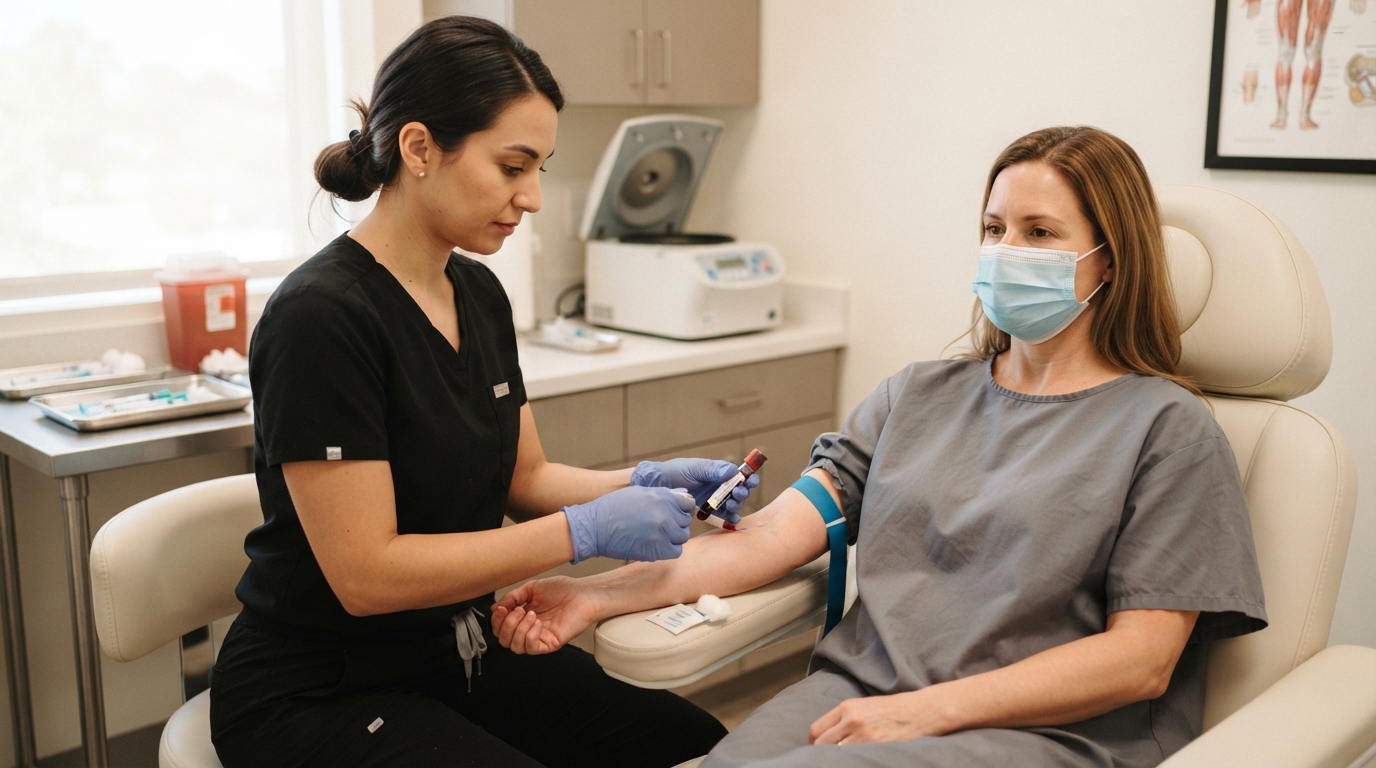
A small blood sample is drawn from the patient, similar to a routine blood test.
-
The sample is placed in a centrifuge, which spins the blood to separate platelet-rich plasma from red blood cells and other components.
-
The concentrated plasma is drawn into a syringe and applied through injections or combined with microneedling to reach the dermal layer.
-
The treated area may be cleansed and given brief aftercare instructions before the patient leaves.
The entire appointment, from blood draw to application, generally takes under an hour, though timing varies by provider and treatment area.
What Happens After Treatment
Recovery expectations differ depending on whether PRP is used for facial rejuvenation or hair restoration, but some patterns are common across both uses.
-
Mild redness, swelling, or tenderness at the injection or microneedling sites is common for one to three days.
-
Visible improvement is gradual, since growth factors stimulate collagen production and cellular turnover over time rather than producing immediate change.
-
Most protocols involve a series of sessions spaced several weeks apart to build cumulative results.
-
Sun exposure and certain skincare products are often limited for a short period after treatment to reduce irritation.
Because PRP relies on the body’s own healing response, researchers continue to study optimal platelet concentrations and injection protocols. The National Center for Biotechnology Information maintains peer-reviewed literature on PRP’s clinical applications, which can help patients understand the evidence behind specific use cases before scheduling a procedure.
PRP Compared to Other Skin Rejuvenation Options
Patients evaluating PRP often compare it against other non-surgical treatments. The table below outlines general differences based on commonly cited characteristics of each approach.
|
Treatment |
Material Used |
Typical Downtime |
Results Timeline |
|
PRP |
Patient’s own plasma |
1-3 days mild redness |
Gradual, over weeks |
|
Dermal fillers |
Synthetic hyaluronic acid |
Minimal to none |
Immediate |
|
Chemical peels |
Acid-based solution |
Several days peeling |
1-2 weeks |
|
Laser resurfacing |
Light-based energy |
Days to weeks |
Weeks to months |
This comparison is general in nature; actual outcomes depend on individual skin condition, treatment area, and provider technique.
Considerations Before Scheduling a Session
Not every patient is an equal candidate for PRP, and a consultation typically addresses medical history before any procedure is scheduled.
-
Blood disorders, certain medications, or active skin infections may affect eligibility.
-
Patients with unrealistic expectations about immediate dramatic change should discuss a realistic timeline with a licensed provider.
-
Multiple sessions are usually recommended, and maintenance treatments may be suggested to sustain results.
The Aesthetics Lounge and Spa Downtown Naples serves patients across Naples, FL, offering a point of reference for residents researching PRP providers who can walk through candidacy and aftercare in person.
Frequently Asked Questions
Is PRP treatment painful? Most patients report mild discomfort during injections, often described as similar to a pinch, and topical numbing is sometimes used to reduce sensation.
How many PRP sessions are typically needed? Protocols vary, but many providers recommend an initial series of three to four sessions spaced several weeks apart, followed by periodic maintenance.
How long do PRP results last? Results depend on the treatment area and individual biology, with many patients scheduling maintenance sessions every several months to sustain collagen response.
Can PRP be combined with other treatments? PRP is sometimes paired with microneedling or other skin treatments, though combination protocols should be discussed directly with a licensed provider based on skin type and goals.
Scheduling a Consultation
Current service details for The Aesthetics Lounge and Spa Downtown Naples are published for patients reviewing PRP options in the area. PRP treatment remains a gradual, biologically based process, and understanding each step from blood draw to aftercare helps patients set realistic expectations for how their skin or scalp may respond over time.