
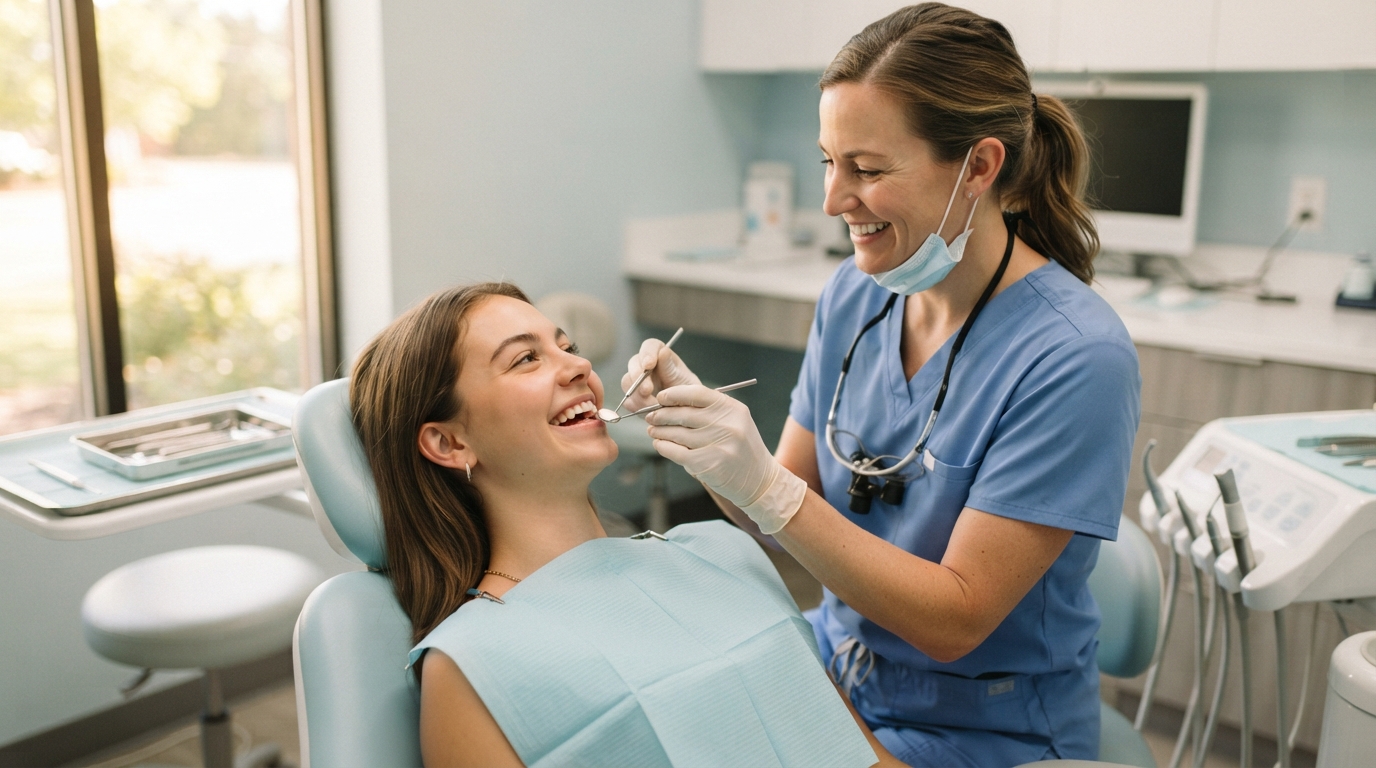
• Dental dentures replace missing teeth with removable appliances that restore chewing function and facial structure.
• Proper fit, daily cleaning, and routine dental checkups determine how long dentures stay comfortable and functional.
• Full and partial dentures differ in design depending on how many natural teeth remain.
Dental dentures Richland, WA are removable replacements for missing teeth and surrounding tissue, designed to restore the ability to chew, speak, and smile after tooth loss. They are custom-made from impressions of the mouth and can replace a full arch or just a few missing teeth, depending on individual needs.
Anyone considering Dental Dentures typically starts with a dental exam to determine whether remaining teeth can support a partial denture or whether a full denture is more appropriate. The process usually involves several fitting appointments to confirm that the appliance sits correctly against the gums and bite surfaces before it becomes part of daily use.
Types of Dentures and How They Differ
Dentures are generally grouped into two main categories based on how much of the natural dentition remains.
• Full dentures replace an entire upper or lower arch and rest directly on the gums once all teeth in that arch are gone.
• Partial dentures fill in gaps where some natural teeth remain, often anchored with clasps or attachments to nearby teeth.
• Immediate dentures are placed right after tooth extraction, allowing a temporary appliance while the gums heal before a permanent fit is finalized.
Each type requires a different adjustment period, and patients in Pasco, WA considering any of these options should expect at least one follow-up visit to address minor sore spots or bite alignment as the mouth adapts.
Comparing Denture Options
|
Denture Type |
Best For |
Adjustment Period |
|
Full Denture |
Complete tooth loss in one or both arches |
Several weeks to adapt to speech and chewing |
|
Partial Denture |
Some natural teeth still present |
Shorter adjustment, relies on existing teeth for support |
|
Immediate Denture |
Placed right after extractions |
Requires relining as gums heal and shrink |
Choosing between these options depends on oral health history, bone structure, and how many teeth remain, which is why a dental evaluation is a necessary first step rather than a skip-ahead decision.
Daily Care and Long-Term Maintenance
Dentures require consistent care to stay functional and to protect the gum tissue underneath them. According to the National Institute of Dental and Craniofacial Research, daily cleaning and regular dental visits are part of maintaining oral health after tooth loss, since bacteria and food particles can still accumulate on denture surfaces.
Basic maintenance steps include:
1. Rinse dentures after eating to remove loose food particles.
2. Brush dentures daily with a non-abrasive cleanser, not regular toothpaste, which can scratch the surface.
3. Soak dentures overnight in a denture-cleaning solution or water to prevent warping.
4. Handle dentures over a folded towel or basin of water to avoid breakage from dropping.
5. Schedule periodic dental checkups to monitor fit, since gum and bone shape can change over time.
Gum tissue and jawbone naturally shrink after tooth loss, which means a denture that fit well at first may loosen over months or years. Relining or remaking the appliance periodically helps maintain a secure, comfortable fit and reduces irritation or slipping during eating and speaking.
Fit Problems and When to Seek Adjustment
A properly fitted denture should feel stable without pinching, rocking, or causing excessive drooling. Persistent sore spots, clicking sounds while chewing, or dentures that slip during conversation are signs that an adjustment or reline may be needed rather than something to manage with adhesive alone.
Based in Richland, WA, Learn More About Denture Solutions provides restorative dental services to patients across Pasco, WA, including evaluations for denture fit and comfort.
Frequently Asked Questions
How long does it take to adjust to new dentures? Most people need several weeks to adapt to speaking and eating with new dentures, with sore spots commonly addressed through follow-up adjustments.
Can partial dentures damage remaining natural teeth? When properly fitted and maintained, partial dentures are designed to distribute bite pressure without excessive strain on supporting teeth, though regular dental monitoring helps catch any issues early.
How often should dentures be replaced or relined? Gum and bone changes over time typically mean dentures need relining or replacement periodically, though the exact timeline varies by individual oral health and wear patterns.
Is it normal for dentures to feel loose over time? Yes, gradual looseness is common as the jawbone and gums change shape, and it generally signals that a reline or refitting evaluation is due.
Final Notes
Dentures remain a practical option for restoring function and appearance after tooth loss, provided they are properly fitted, cleaned daily, and monitored through regular dental visits. Published details for Learn More About Denture Solutions cover restorative options available to the local service area.