
Snapshot:
-
Water well installation involves site evaluation, drilling, pump and pressure tank setup, and regulatory filing with the state.
-
Montana classifies most residential wells as “exempt,” meaning they skip a pre-drilling permit but still require paperwork after the well is in use.
-
New state rules effective January 1, 2026, require a Notice of Intent filing before groundwater from an exempt well is put to use.
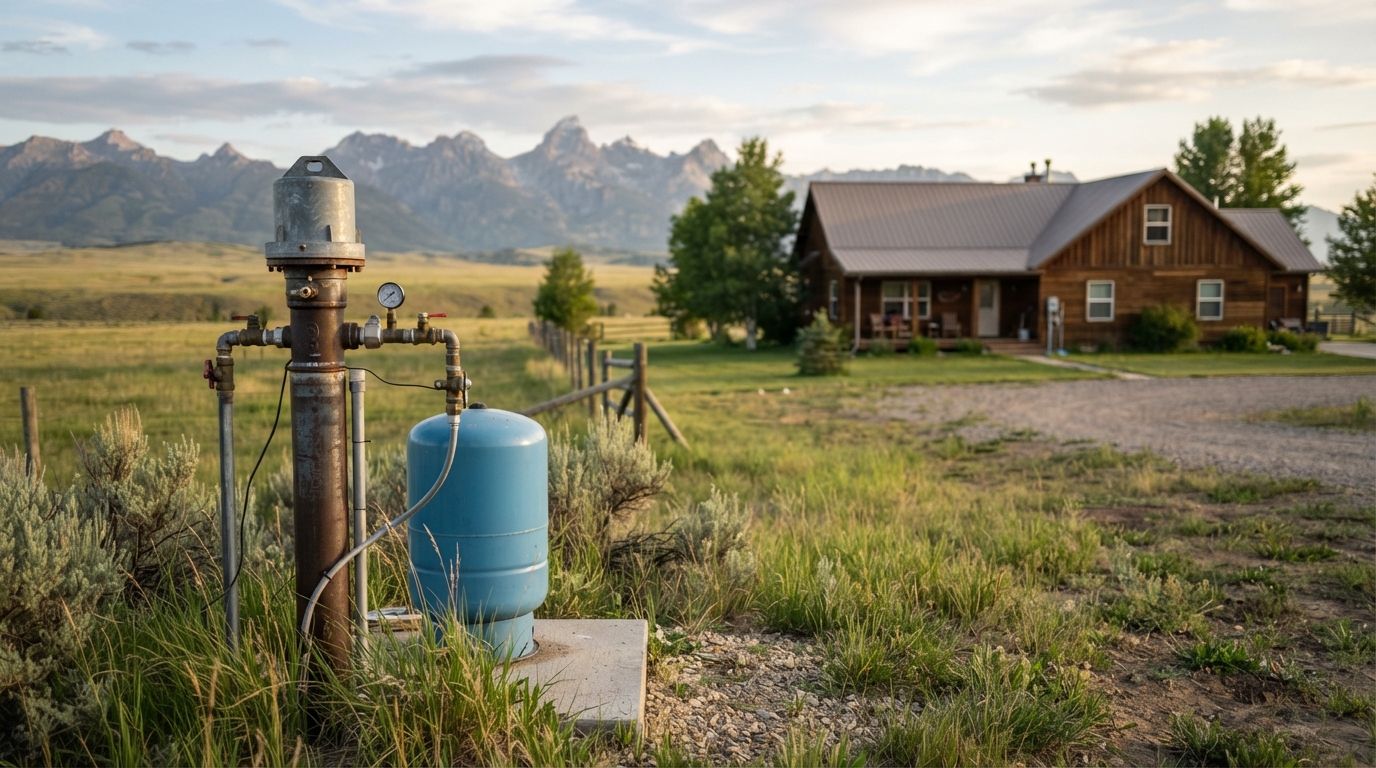
Water well installation is the process of drilling into groundwater, fitting a well with a pump and pressure system, and connecting it to a home’s plumbing to deliver a private water supply. For homeowners outside municipal water lines, understanding this process helps avoid costly mistakes and keeps a new well in compliance with state water law.
Water Well Installation typically starts with a site assessment to locate groundwater and determine the best drilling depth, followed by casing installation, pump selection, and pressure tank setup. Based in USA, 180 Water serves customers across Montana, supporting homeowners who need a private water source installed or evaluated on rural and suburban properties.
How the Installation Process Works
A typical well installation follows a sequence of steps that a licensed contractor manages from start to finish.
-
Site evaluation to assess soil conditions, depth to groundwater, and distance from septic systems or property lines
-
Drilling and casing installation to reach a stable water-bearing formation
-
Pump selection and installation, sized to the well’s yield and the household’s water demand
-
Pressure tank installation to regulate water flow and reduce pump cycling
-
Water quality testing once the system is operational
Each step depends on local geology, which varies widely across Montana’s mountain valleys, plains, and river basins.
Permits and Regulatory Requirements in Montana
Montana treats most household wells as “exempt” from the state’s full water rights permitting process, but exempt status does not mean no paperwork is required. Under state law, groundwater appropriations of 35 gallons per minute or less, and not exceeding 10 acre-feet a year, are excepted from the standard permitting process, according to Montana State University Extension.
That said, the rules changed heading into 2026. As of January 1, 2026, Montana requires anyone developing an exempt well to file a Notice of Intent to Appropriate Groundwater with the Department of Natural Resources and Conservation before the water is put to beneficial use, and the agency has 10 business days to authorize or deny the request, according to the Montana DNRC Comprehensive Water Review. A separate Notice of Completion must still follow within a set window after the well goes into service. Wells drawing more than 35 gallons per minute, such as those for larger agricultural or commercial use, require a full Beneficial Water Use Permit before drilling begins.
What Affects Cost and Timeline
Several factors shape how long installation takes and what it costs, though exact pricing depends on site conditions and contractor scope.
|
Factor |
Why It Matters |
|
Drilling depth |
Deeper wells require more casing, time, and equipment |
|
Geology |
Rock formations slow drilling compared to softer soil |
|
Pump type |
Submersible pumps suit deep wells; jet pumps suit shallower ones |
|
Permit status |
Exempt wells avoid the longer Form 600 review process |
Property owners in rockier terrain or higher-elevation areas of Montana often see longer drilling timelines than those in valley locations with shallower water tables.
Maintenance After Installation
A newly installed well still needs ongoing attention to keep water flowing reliably.
-
Schedule periodic inspections of the pump and pressure tank
-
Test water quality annually, particularly for bacteria and mineral content
-
Monitor pressure consistency to catch pump wear early
-
Keep well logs and water rights paperwork on file for future reference
Regular inspection habits reduce the chance of unexpected pump failure, especially in systems that run through cold Montana winters.
Frequently Asked Questions
Does Montana require a permit before drilling a well? Most domestic wells qualify as exempt and do not need a pre-drilling permit, but a Notice of Intent must now be filed with the DNRC before the water is used, per the rule change effective January 1, 2026.
How deep do wells typically need to be drilled? Depth depends entirely on local groundwater levels and geology, which can vary significantly between regions of the state.
What is the difference between a permitted well and an exempt well? Exempt wells draw 35 gallons per minute or less and under 10 acre-feet annually; anything above that threshold requires a full Beneficial Water Use Permit filed before drilling.
Can an existing well be inspected instead of drilling a new one? Yes, a well inspection can assess pump condition, water pressure, and system performance without requiring new drilling.
Final Thoughts and Next Steps
Water well installation combines site-specific engineering with state water law, making it a process best approached with accurate information about both drilling mechanics and current permitting rules. Details about well pump services published for 180 Water are available for property owners researching installation options in the state.
Additional background on service areas and offerings connected to 180 Water is published for reference.